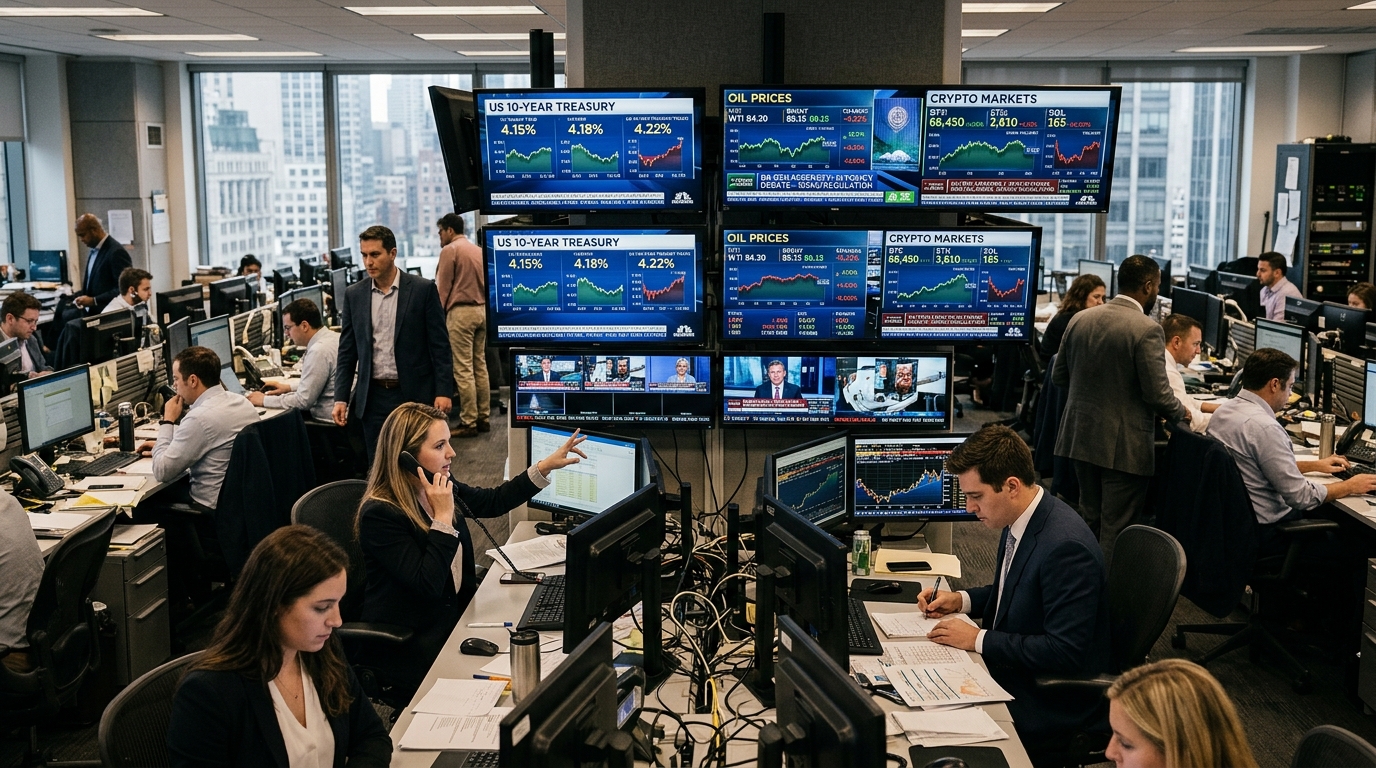
Treasury yield surge resets rate outlook across markets
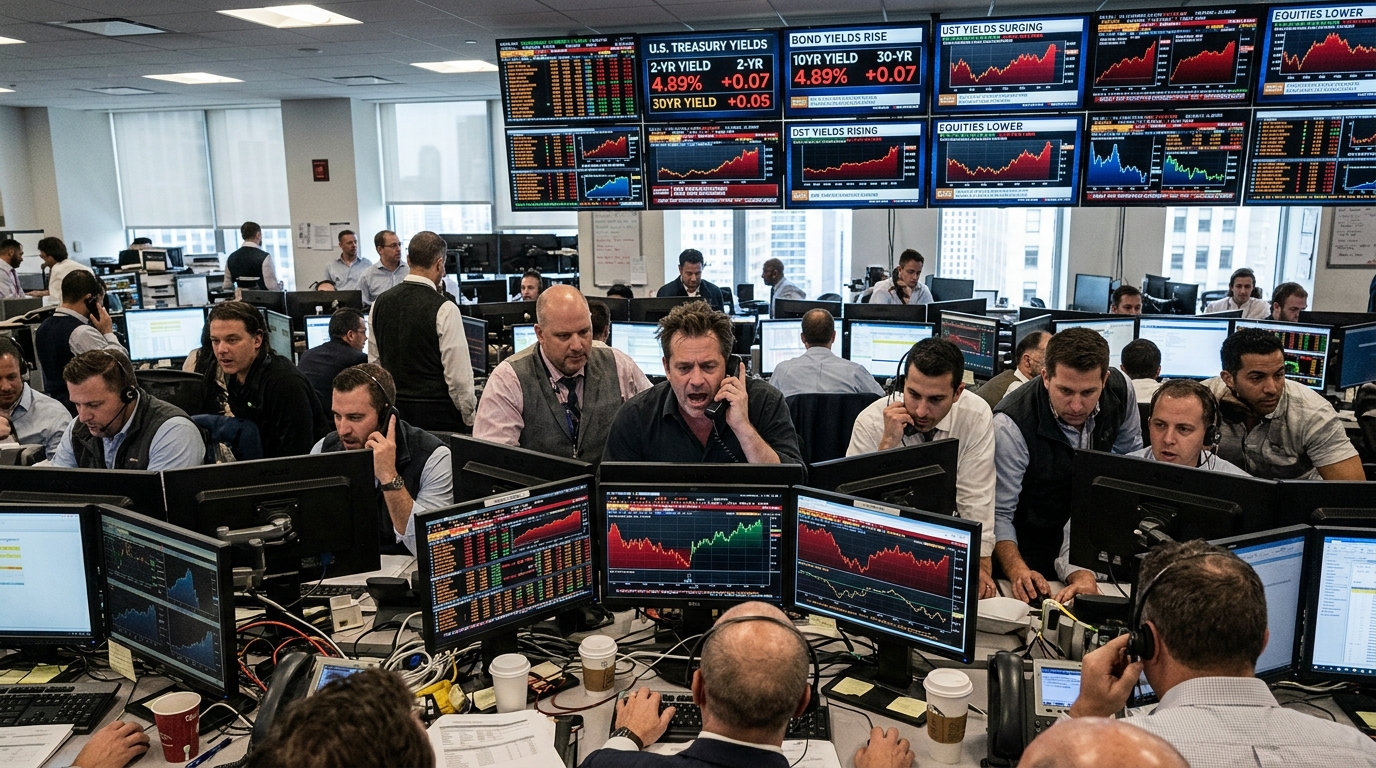
U.S. markets spent the session adjusting to a sharper-for-longer interest-rate backdrop after the benchmark 10-year Treasury yield climbed to a fresh 19-year high, according to CNBC and MarketWatch reports. The move in yields became the central market signal of the day, with stocks falling as investors reassessed how long the Federal Reserve may need to keep policy restrictive.
CNBC reported that the jump followed hot economic readings, while a separate CNBC headline said markets now see the next Fed hike arriving in October after comments from Fed Vice Chair for Supervision Michael Barr and a strong inflation reading. MarketWatch independently framed the same development through the bond market, saying yields surged as Wall Street feared additional Federal Reserve rate hikes. Yahoo Finance also described U.S. stock indexes falling as the 10-year yield pushed to its highest level since 2007.
Why the 10-year yield matters so much
The 10-year Treasury yield is a global reference point. It influences borrowing costs across mortgages, corporate debt and valuation models used for equities. When that yield rises quickly, the effect spreads far beyond the government bond market.
This helps explain why the day’s move resonated across asset classes. Higher Treasury yields generally tighten financial conditions by raising the return investors can earn in lower-risk assets. That can pressure stocks, especially rate-sensitive sectors and companies whose valuations depend more heavily on future earnings.
According to CNBC and MarketWatch, the latest rise in yields reflects both incoming data and shifting expectations about the Fed’s next step. The bond market appears to be pricing in a policy path that stays restrictive for longer than many investors previously expected.
What changed in the market narrative
For much of the year, investors have debated whether cooling inflation and slower growth would allow the Fed to stop tightening. Today’s headlines point in the opposite direction: resilient economic readings and persistent inflation pressure are keeping another hike in play.
CNBC’s report that markets see a possible October move is significant because expectations around the policy path often matter as much as the move itself. Even without an immediate rate increase, rising odds of another hike can push Treasury yields higher as investors demand greater compensation for holding longer-dated bonds.
MarketWatch’s focus on bond yields underscores that this is not simply an equity-market story. It is a repricing of the cost of money. That repricing can alter everything from credit conditions to equity sector leadership and the relative appeal of the U.S. dollar.
Knock-on effects investors are watching
- Equities: Higher yields can weigh on broad indexes by increasing discount rates and reducing appetite for risk assets.
- Housing: Treasury moves feed through to mortgage costs, adding pressure to affordability.
- Corporate financing: Elevated yields can raise borrowing costs for businesses and affect issuance conditions.
- Dollar and global flows: Higher U.S. yields can attract international capital and tighten financial conditions outside the United States.
A market signal with global reach
The rise in the 10-year yield is especially important because U.S. Treasurys serve as a benchmark for global capital markets. When yields move to multi-year highs, international investors, central banks and multinational companies all have to reconsider pricing assumptions.
Yahoo Finance’s report of broad stock declines alongside the surge suggests the move was not treated as an isolated bond-market event. Instead, it was absorbed as a broader warning that rates may remain elevated even if investors had hoped the hiking cycle was nearly complete.
At the same time, the headlines do not establish that another hike is certain. They show that expectations have shifted. That distinction matters. Markets are responding to probability and trajectory, not to a confirmed policy decision.
What to watch next
The next phase will depend on whether upcoming inflation and activity data continue to validate the market’s more hawkish stance. For now, according to CNBC, MarketWatch and Yahoo Finance, the message from Treasurys is that investors are demanding higher yields in response to stronger data and firmer Fed expectations.
Neutral outlook: If incoming data stay hot, elevated yields may remain the defining market driver. If inflation or growth cools, the pace of this repricing could ease, but for now the bond market is signaling persistent policy restraint.
MarketPro reports are AI-assisted analyses of publicly reported market news. Not investment advice.