Trump-Xi AI agenda keeps U.S.-China tech race in focus
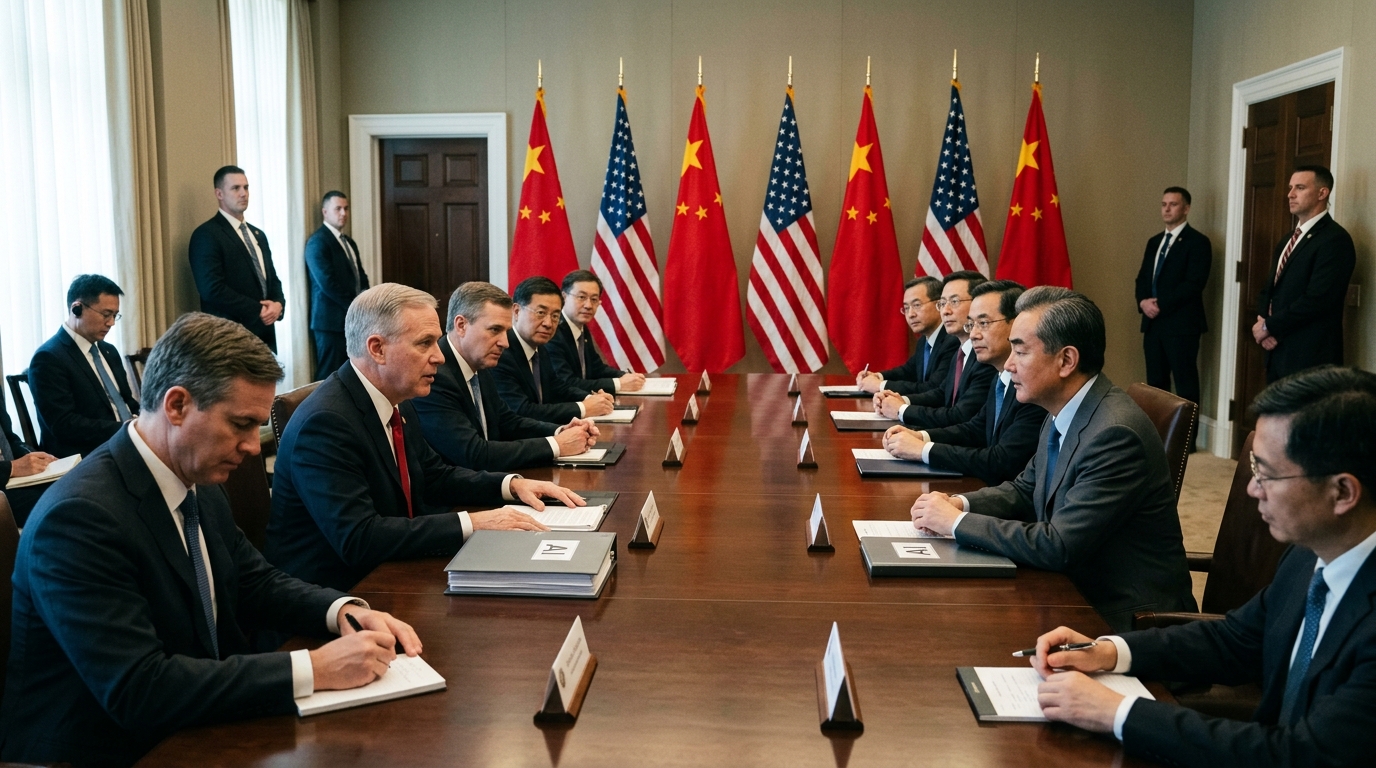
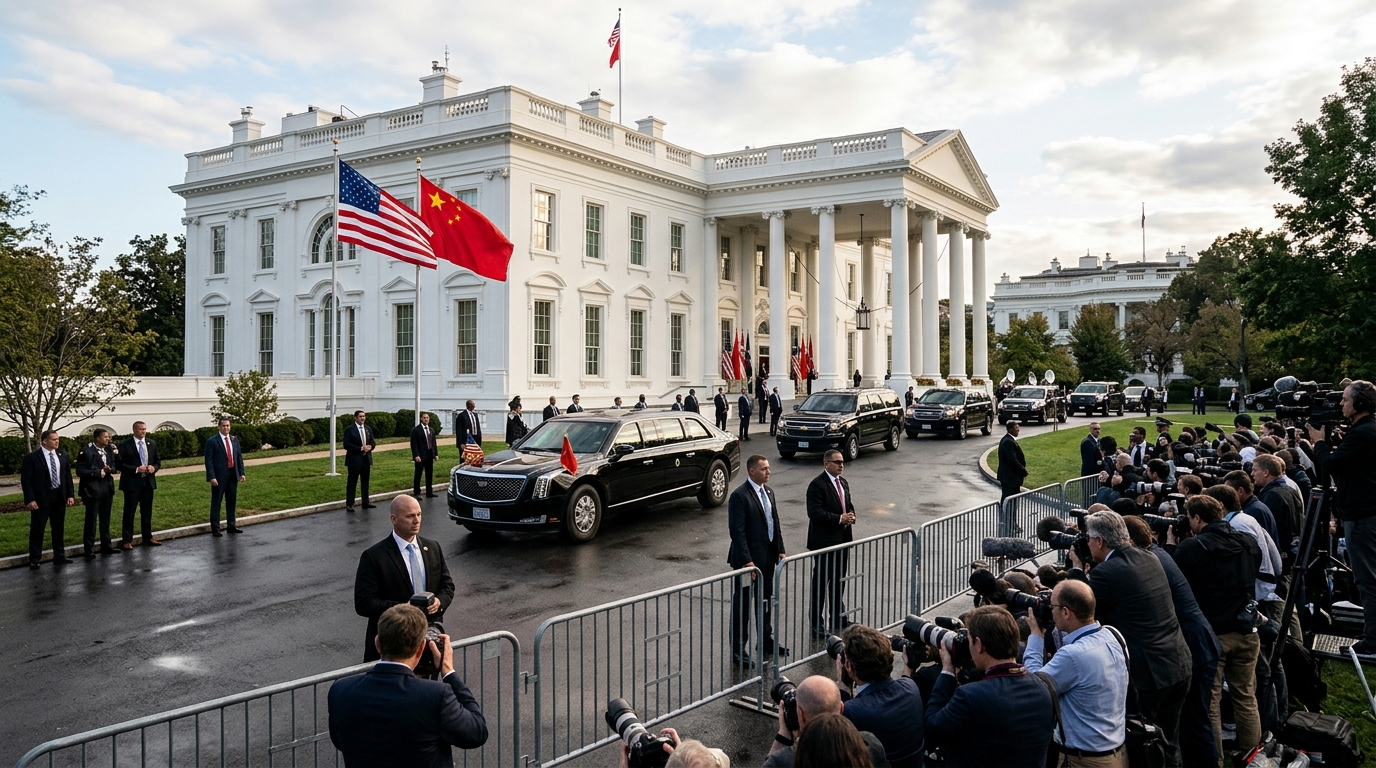
Artificial intelligence policy is emerging as a new fault line in U.S.-China relations, with AI safety expected to feature in talks around a Trump-Xi summit even as both sides appear unwilling to sacrifice strategic momentum in the technology race.
According to a CNBC report, AI safety is on the table for the leaders’ discussions, but neither Washington nor Beijing wants to slow development. That matters for global markets because it suggests the world’s two largest economies may seek guardrails without embracing the kind of restraint that would materially ease competition in chips, cloud infrastructure, data policy and defense-linked technologies.
Why markets care about AI diplomacy
For investors and executives, the key issue is not only whether the United States and China can cooperate on AI risk. It is whether diplomacy reduces the chance of abrupt policy escalation across trade, export controls and investment screening.
If AI safety talks proceed while the broader race intensifies, companies may face a more complicated operating environment rather than a simpler one. Multinational firms exposed to semiconductors, data centers, advanced manufacturing and enterprise software could end up navigating two parallel realities: selective dialogue at the top level and continued rivalry in industrial policy.
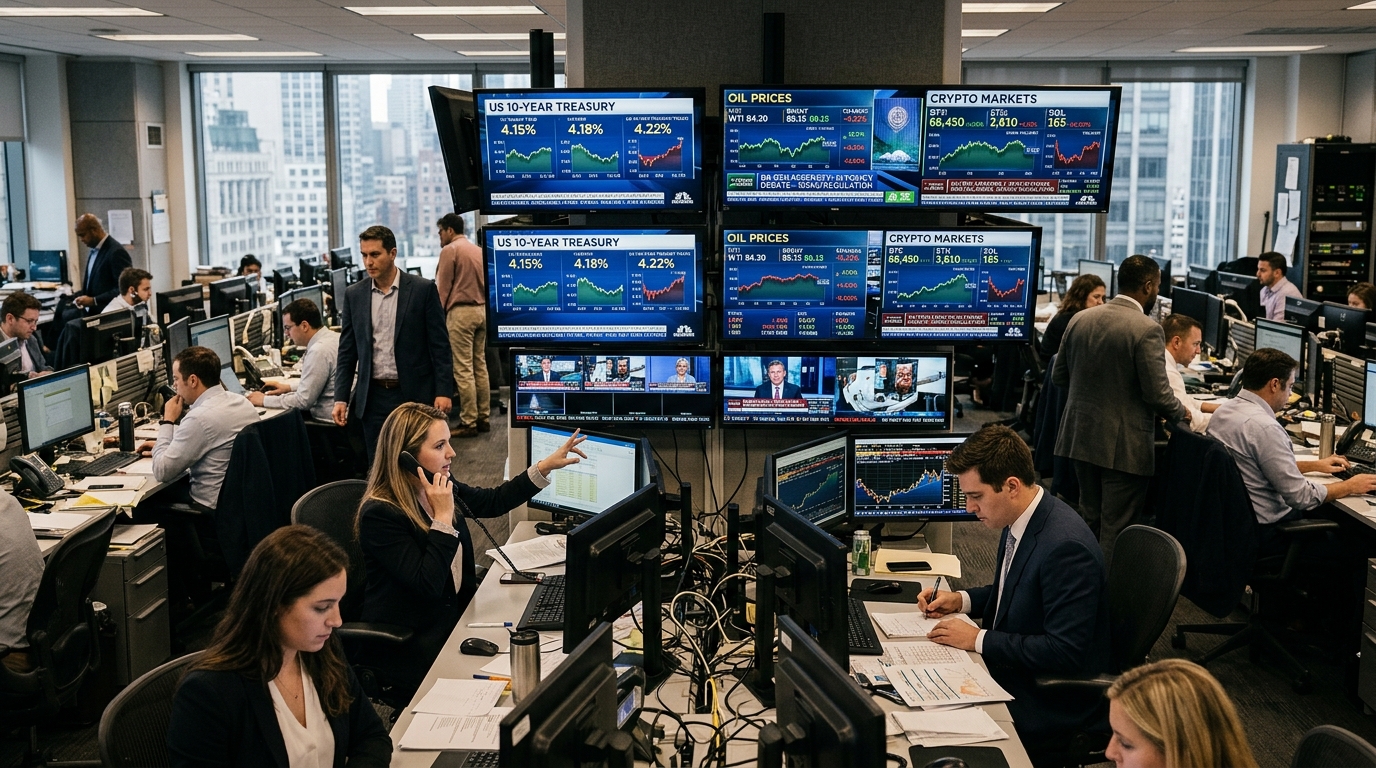
That mix has direct implications for capital spending. Governments and private firms have been pouring money into AI hardware, power supply, networking and model development. A summit agenda that acknowledges safety concerns but stops short of slowdown signals may reinforce the view that spending will remain elevated on both sides.
Safety talks do not equal détente
The CNBC report indicates that neither side wants to hit the brakes. That distinction is important. Markets have periodically treated high-level U.S.-China talks as a possible opening for broader stabilization, but AI may prove different from more traditional economic dialogues.
In this case, safety discussions could function more as risk management than reconciliation. Officials may seek channels to discuss model misuse, military escalation risks or critical-infrastructure vulnerabilities without conceding ground on national competitiveness.
That would fit a broader pattern seen in recent years: targeted communication in sensitive areas alongside persistent strategic decoupling in others. For businesses, that can mean lower odds of misunderstanding at the geopolitical level, but not necessarily lower compliance costs or fewer restrictions.
Cross-border investment and supply-chain implications
The summit framing also matters for cross-border capital flows. AI has become one of the most policy-sensitive areas for outbound investment rules, export restrictions and national-security review. Even limited diplomatic engagement may help companies gauge where red lines are hardening and where narrow cooperation remains possible.
At the same time, if both sides continue to prioritize speed, supply chains tied to advanced chips, memory, servers, cooling systems and electricity-intensive infrastructure may stay under pressure. Demand for non-China and non-U.S. production hubs could remain strong as companies diversify sourcing and manufacturing footprints.
That makes Asia policy links especially relevant. Regional markets often react not only to what Washington and Beijing say to each other, but to how allies and trading partners reposition around those talks.
What to watch
- Export-control language: Any indication that talks could affect semiconductor restrictions would be closely watched.
- Investment screening: Markets will be alert to whether either side hints at tighter scrutiny of AI-related capital flows.
- Standards cooperation: Even narrow agreement on testing or safety terminology could influence global regulatory frameworks.
- Supply-chain signals: Companies will look for clues on whether diversification pressures are easing or deepening.
For now, the headline message is not one of slowdown. According to CNBC, AI safety may be discussed, but strategic competition remains central. That combination is likely to keep technology policy near the top of the global macro agenda, with consequences that extend well beyond the tech sector into trade, industrial planning and international investment.
Neutral outlook: Markets may welcome any reduction in communication risk, but absent evidence of broader policy easing, U.S.-China AI rivalry looks set to remain a defining economic theme.
MarketPro reports are AI-assisted analyses of publicly reported market news. Not investment advice.