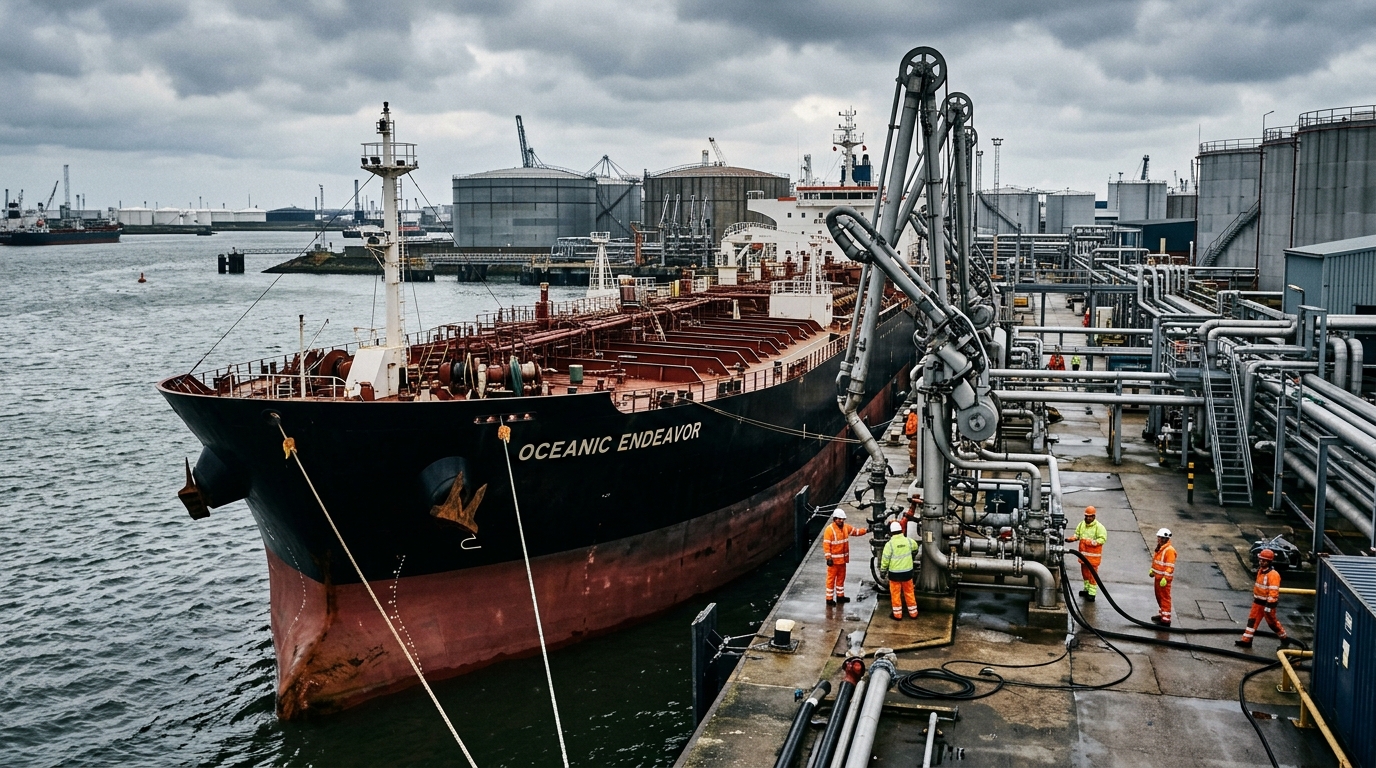
Ukraine drone strikes tighten diesel market risk
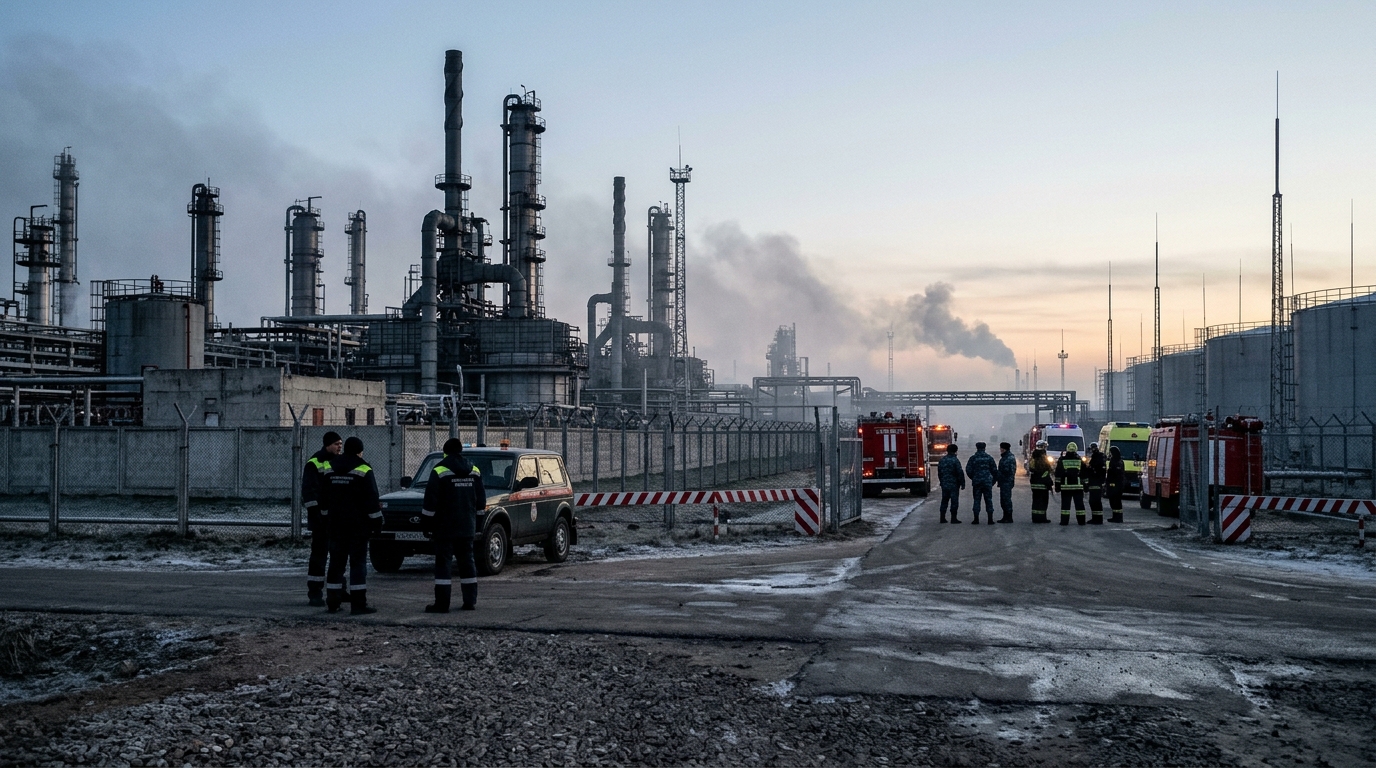
Fresh Ukrainian drone strikes on Russian energy infrastructure are putting diesel markets back in focus, because Russia remains one of the world’s biggest fuel suppliers and an important swing source for middle-distillate exports. According to a CNBC report, the attacks have disrupted facilities tied to refining and fuel logistics, reviving a risk premium in a market that had already been sensitive to supply outages and trade-route disruptions.
The significance goes beyond the immediate military dimension. Diesel is a critical industrial fuel used in freight, agriculture, mining and backup power. That means any threat to Russian refining capacity can ripple well beyond the Black Sea region, especially for importers that still depend on globally traded barrels even if they no longer buy directly from Russia.
Why diesel matters more than crude alone
Oil markets often react first to crude production headlines, but refined products can be the more acute transmission channel for inflation and economic stress. Diesel shortages or even perceived tightness can quickly affect transport costs, factory input bills and food distribution. CNBC described Russia as the world’s second-largest diesel supplier, underlining why repeated strikes on processing assets matter for global pricing.
That point is reinforced by another energy-related headline from Investing.com, which reported that Russia’s oil tax price ran about 60% above budget assumptions in October. While that headline is about state revenue rather than diesel directly, it points to how important energy export pricing remains for Moscow’s fiscal position. It also suggests that disruptions to exportable fuel volumes could carry both market and budget consequences.
Refining outages can reshape trade flows
When refineries are hit or forced to slow operations, the effect is not always visible in headline crude supply totals. Instead, flows can shift across regions as buyers search for replacement cargoes. Europe has already had to reconfigure diesel sourcing since the start of the war in Ukraine, increasing dependence on shipments from the Middle East, the United States and Asia.
If Russian diesel output is constrained for a sustained period, traders may need to bid more aggressively for alternative supply. That can tighten margins elsewhere and push up freight costs as longer-haul routes do more of the balancing work. Even where inventories are adequate, the market tends to price operational fragility quickly when a major refining hub is repeatedly targeted.
Broader market implications
The latest strikes also arrive at a time when markets are highly alert to geopolitical supply shocks. Reader interest on MarketPro has been strongest when commodities stories connect directly to inflation, cross-asset risk and economic resilience. This development fits that pattern because diesel sits at the intersection of energy security and broader price pressures.
There is also a policy angle. If diesel markets tighten meaningfully, governments may face renewed pressure over fuel affordability, transport costs and strategic stock management. Central banks do not typically react to one commodity headline in isolation, but persistent energy-driven cost pressure can complicate the inflation outlook.
Importantly, the current information supports caution rather than certainty. CNBC’s report points to disruption risk and operational damage, but the scale and duration of lost output are often difficult to verify in real time. In energy markets, perception alone can move prices in the short term, while the medium-term impact depends on repair times, product inventories and the ability of other exporters to respond.
What traders and policymakers may watch next
- Refinery operating rates: sustained declines would matter more than isolated disruptions.
- Diesel export flows: changes in seaborne shipments could show whether outages are materially affecting supply.
- Freight and crack spreads: these can provide early clues on whether the product market is tightening.
- Government responses: strategic reserve measures or export adjustments elsewhere could help stabilize supply.
For now, the main market message is that attacks on refining infrastructure can carry outsized significance even when global crude supply appears stable. According to CNBC, Ukraine’s strikes have hit a part of the Russian energy system that matters directly to industrial fuel availability. Neutral outlook: if outages prove brief, the market impact may fade; if disruptions persist, diesel could become a more important driver of inflation and cross-asset risk sentiment.
MarketPro reports are AI-assisted analyses of publicly reported market news. Not investment advice.