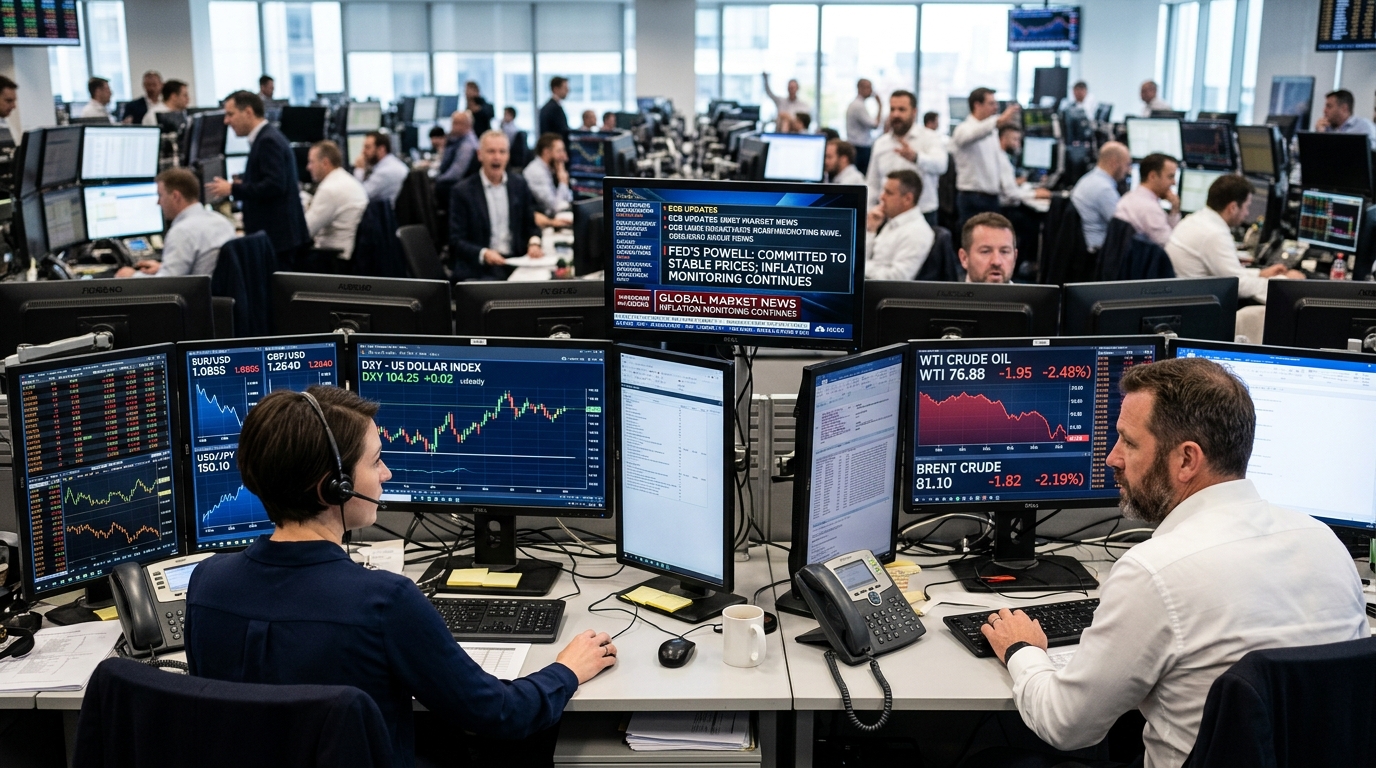
Won volatility flags pressure in Asia FX after Fed hold
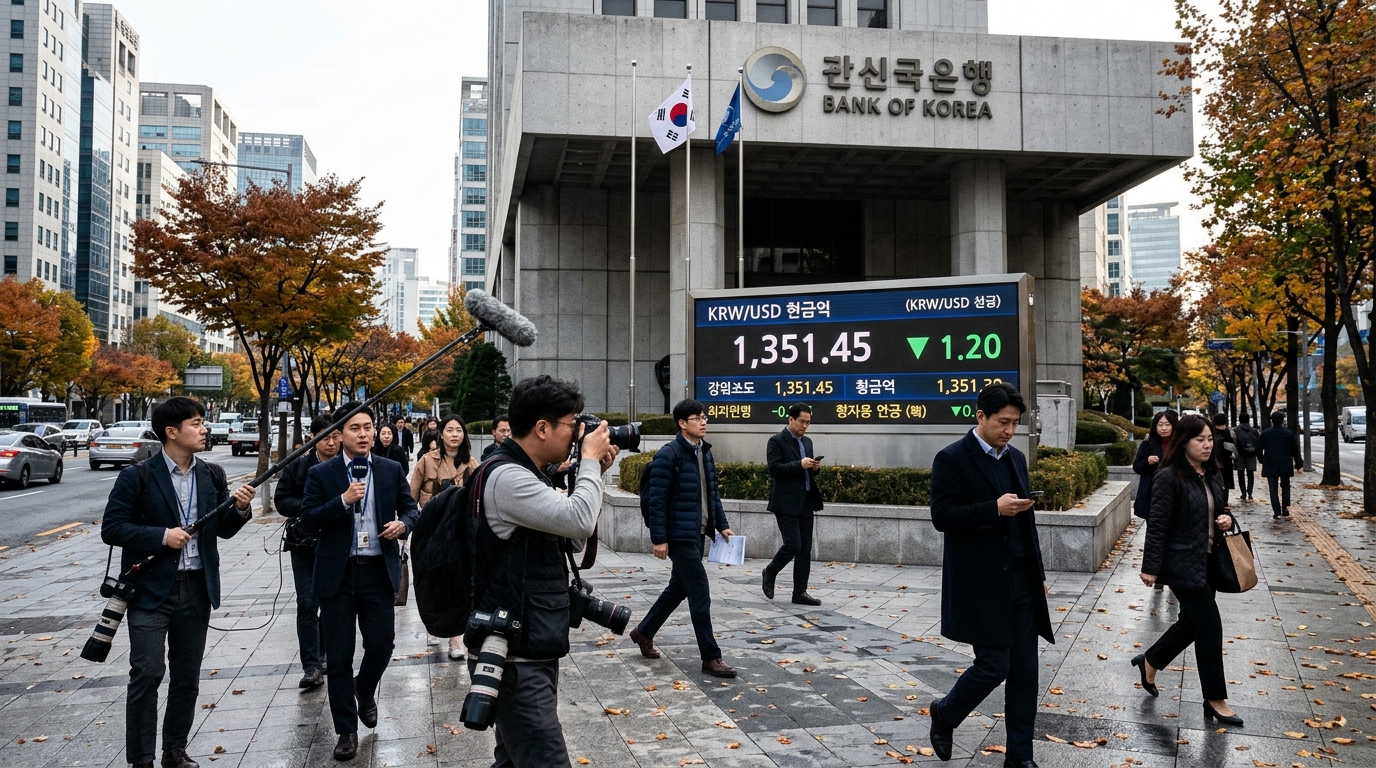
Pressure in Asian foreign-exchange markets came back into focus after a Bank of Korea board member said the South Korean won was moving faster than expected. According to an Investing.com report, the comment underscored concern about the speed of the currency’s moves rather than only its direction.
The remark is significant because the won is widely watched as a regional barometer for risk appetite, trade sensitivity and dollar strength. When Korean currency moves become disorderly, investors often read that as a sign that broader Asian foreign-exchange conditions are tightening.
The timing also matters. According to CNBC, the U.S. Federal Reserve kept rates unchanged, while the 10-year Treasury yield edged higher. That combination can maintain support for the dollar even without a fresh rate increase, especially if U.S. yields stay relatively attractive compared with those in Asia.
Why the won matters to global markets
South Korea sits at the intersection of global manufacturing, semiconductor demand and export-driven growth. Because of that, the won often reflects more than local conditions. It can react to changes in global tech demand, shifts in U.S. yield expectations and broader emerging-market positioning.
When officials suggest the pace of currency moves is becoming uncomfortable, traders may start looking for stronger verbal guidance or a more visible stabilizing response. Even if no direct intervention is signaled, such comments can influence expectations by showing that policymakers are closely monitoring market conditions.
The won’s volatility is also relevant for equity investors. A weaker or more unstable currency can reshape views on import costs, capital flows and the earnings translation of major Korean companies. That does not automatically imply a negative market outcome, but it does add another variable to an already complicated regional picture.
Fed pause does not remove dollar pressure
One of the key global questions after the Fed decision is whether a rate hold meaningfully eases pressure on non-U.S. currencies. So far, the answer appears mixed. CNBC reported that Treasury yields moved higher even with no change in rates, showing that broader financial conditions can stay tight without an immediate Fed hike.
For Asian currencies, that distinction is important. If U.S. yields remain elevated, the dollar can stay firm, making it harder for regional central banks to stabilize exchange rates through communication alone. In that environment, markets become sensitive to any official comment hinting that volatility is accelerating.
The won headline therefore fits a wider post-Fed pattern: investors are not just watching policy rates, but the entire rate-and-yield backdrop. A steady Fed does not necessarily mean a softer dollar, particularly when longer-term yields remain supported.
Regional signals to watch
Asian markets are already navigating mixed growth and corporate signals. According to Investing.com, Taiwan stocks fell at the close, while separate earnings headlines pointed to uneven performance across technology and industrial names in the region. Those developments do not directly explain won moves, but they contribute to a cautious regional tone that can amplify FX sensitivity.
For currency markets, the central issue is whether volatility remains contained or begins to spill over more broadly across Asia. If the won continues to move sharply, investors may pay closer attention to other export-oriented economies and to how regional central banks frame their tolerance for currency swings.
Main takeaways for FX markets
- Won as a proxy: The South Korean currency is often treated as a gauge of broader Asian risk sentiment.
- Speed matters: Officials appear focused on how quickly the won is moving, not just the level.
- Fed transmission: A U.S. rate hold has not removed pressure if Treasury yields keep climbing.
- Regional spillover risk: Persistent won volatility can sharpen scrutiny of other Asian currencies.
The current picture suggests that foreign-exchange markets remain highly sensitive to U.S. yield dynamics and official signals from Asia. The won’s rapid moves have become an important warning sign for investors tracking regional liquidity and risk appetite. Neutral outlook: traders are likely to watch whether policymakers escalate their messaging if dollar strength and yield pressure persist.
MarketPro reports are AI-assisted analyses of publicly reported market news. Not investment advice.