Oil slips as Iran diplomacy offsets strike-risk premium
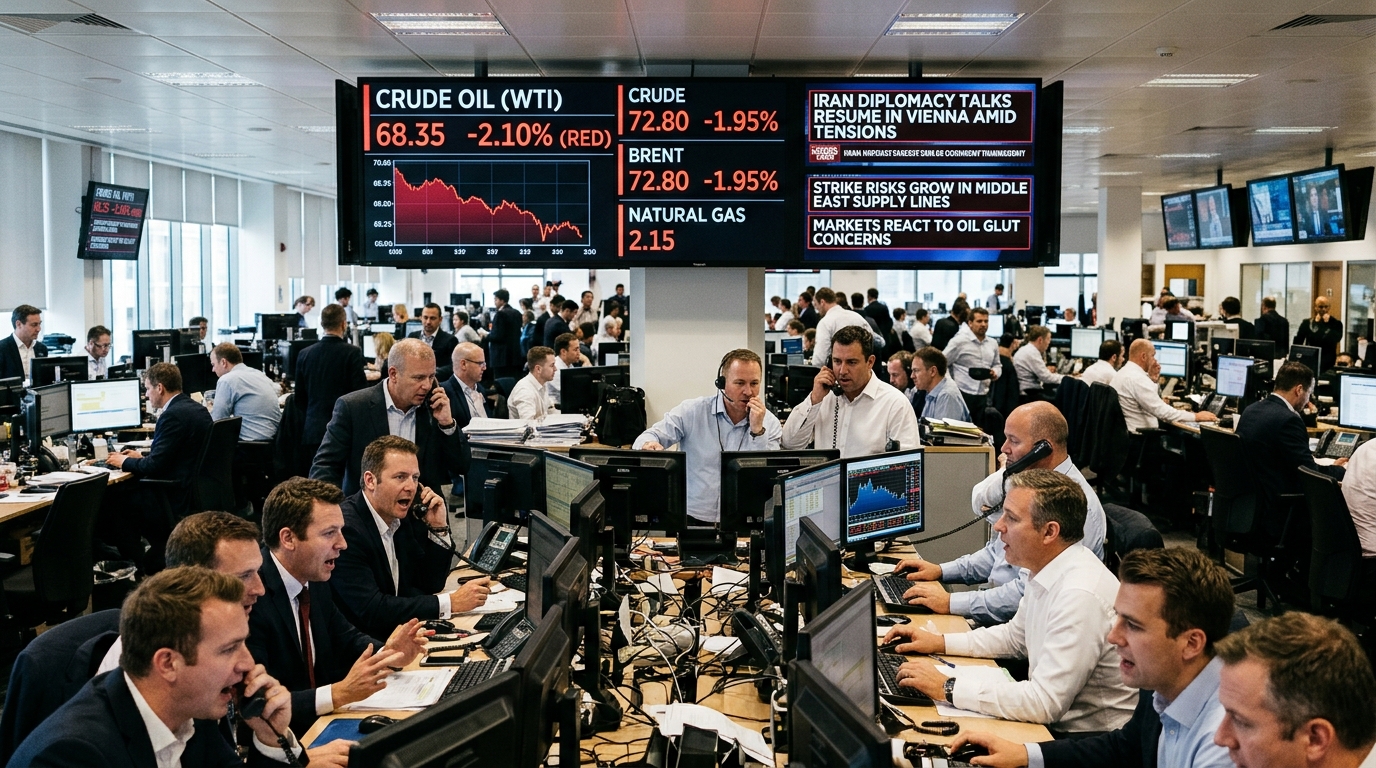
Oil prices moved lower as traders balanced two opposing forces: the possibility of easing tensions tied to Iran diplomacy and the risk that renewed strikes could tighten supply. According to an Investing.com report, crude fell as markets assessed whether diplomatic progress could outweigh the latest security concerns.
The move matters because oil has recently been driven less by straightforward supply-and-demand data and more by fast-changing geopolitical risk premiums. When the market sees even a small chance of reduced sanctions pressure or smoother exports from a major producer, prices can soften quickly. At the same time, any sign of disruption to transport routes, production sites or regional stability tends to rebuild that premium.
A market pulled in two directions
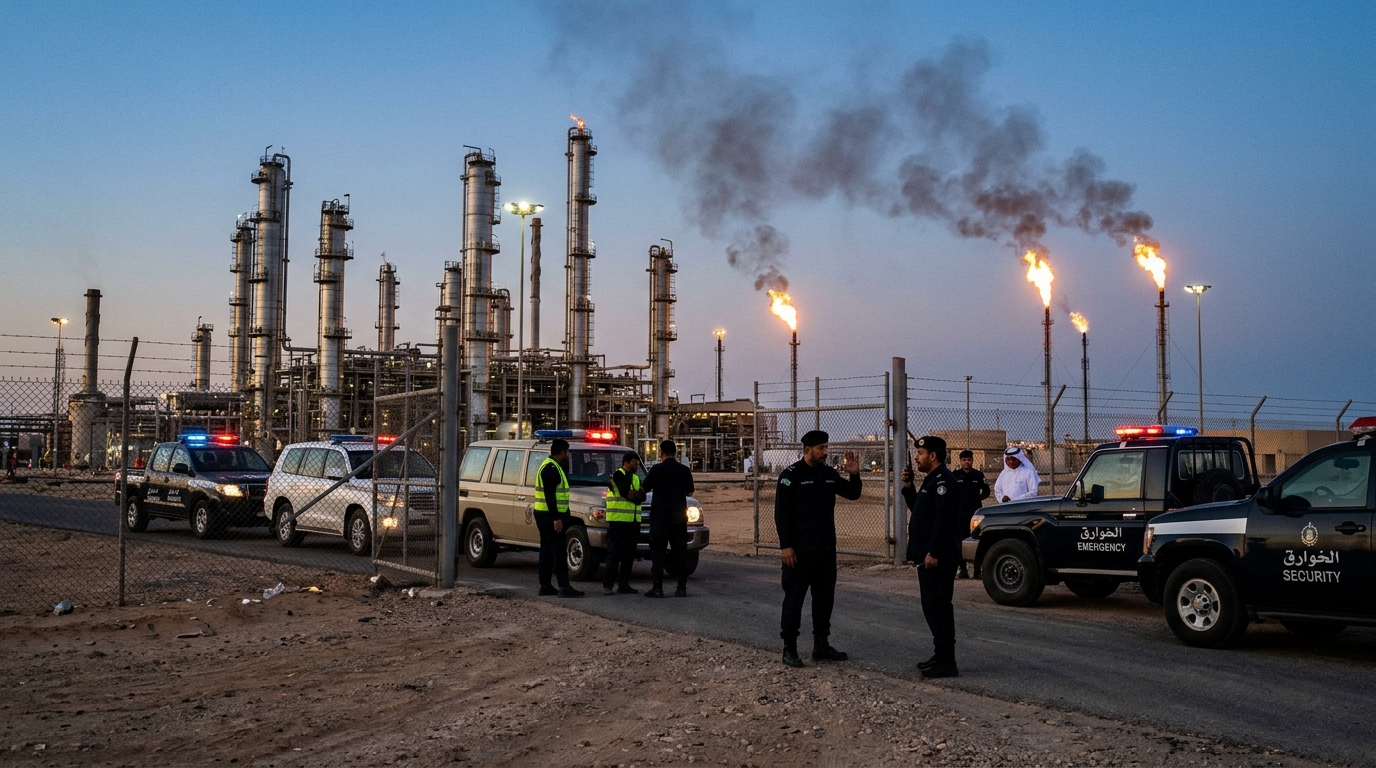
The latest price action highlights how fragile the current balance is. On one side, diplomacy involving Iran can be interpreted as a path toward lower regional tension and, potentially, a less restrictive environment for oil flows. On the other side, reports of renewed strike risks remind traders that supply security remains uncertain.
That split helps explain why oil has struggled to establish a clear directional trend. Even when geopolitical headlines appear supportive for prices, markets still have to judge whether any disruption is immediate, large enough to matter, and likely to last. Likewise, diplomatic developments can pressure prices before any concrete policy change has occurred simply because traders begin to remove part of the risk premium.
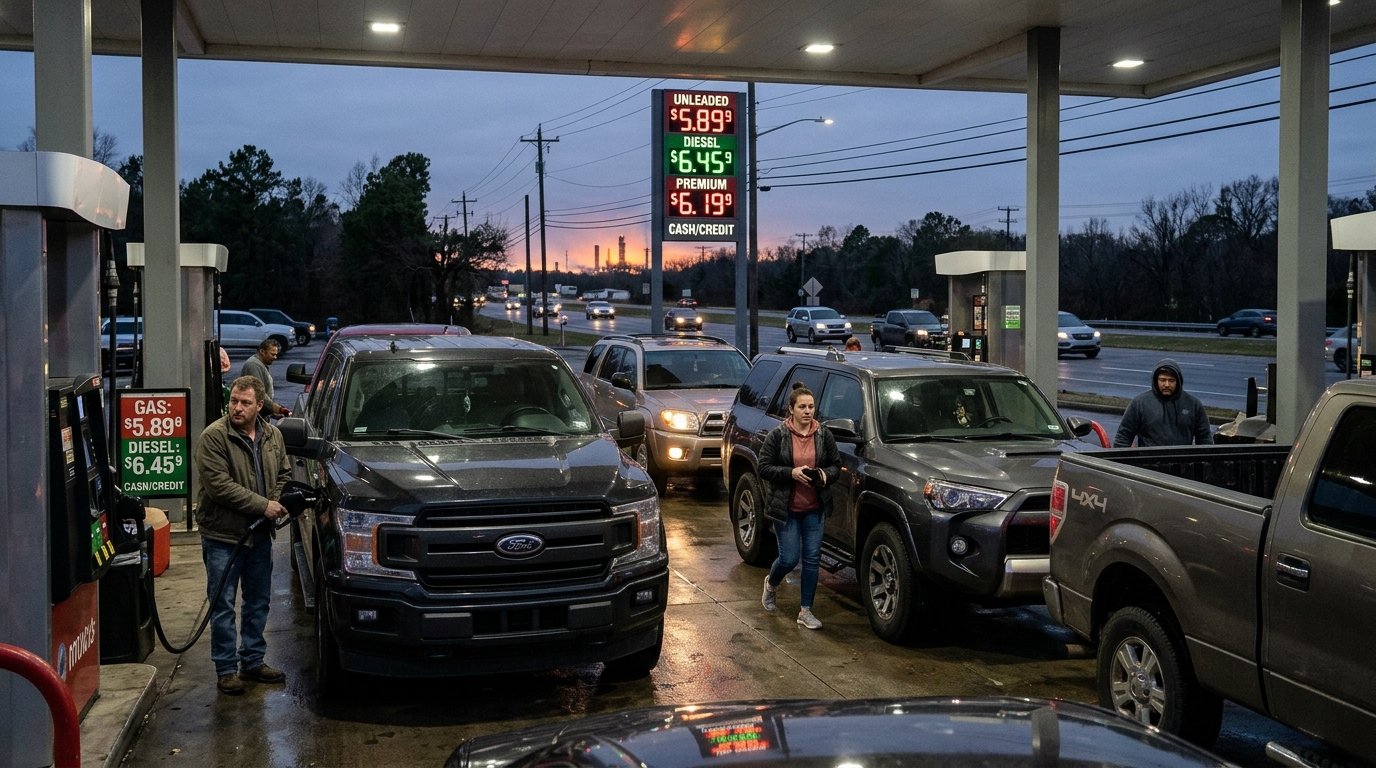
This back-and-forth is especially important for global markets because oil is not trading in isolation. Energy prices feed into inflation expectations, bond yields, currencies and the outlook for central banks. A softer oil market can ease some pressure on inflation-sensitive assets, while a sudden reversal higher can quickly restore concern about price stability.
Why the headline matters beyond energy
Oil’s decline comes at a time when investors are also digesting interest-rate signals and broader risk sentiment. Lower crude prices can support the view that inflation pressures may not worsen as quickly as feared. That can affect expectations across asset classes, particularly in bond and currency markets.
At the same time, traders are unlikely to treat one down session as a definitive shift. The geopolitical backdrop remains fluid, and oil markets have repeatedly shown that diplomatic optimism can fade if security conditions worsen. In that sense, the latest decline looks more like a repricing of immediate risk than a clean verdict on the medium-term supply outlook.
Another reason the move matters is that commodity-sensitive economies and currencies tend to react quickly to crude swings. If oil remains under pressure, investors may reassess the earnings outlook for some energy producers and the revenue picture for exporting countries. If strike risks intensify again, that logic could reverse just as fast.
Policy noise adds another layer
Separately, U.S. energy policy remains in focus. According to CNBC, the Trump methane policy rollback may have minimal impact on crude prices, citing the EPA. That headline suggests traders are distinguishing between environmental or regulatory policy changes and the more immediate global drivers of oil pricing, such as export risk, shipping security and sanctions expectations.
Taken together, the headlines reinforce a familiar point: broad policy changes do not always move oil immediately, but shifts in geopolitical risk often do. For now, the market appears more sensitive to international supply signals than to domestic regulatory adjustments.
Key themes traders are watching
- Iran diplomacy: Any sign of progress may reduce near-term supply fears.
- Strike risk: Renewed disruption threats can quickly restore a geopolitical premium.
- Inflation linkage: Softer crude may ease pressure on inflation expectations across markets.
- Cross-asset impact: Oil moves can influence currencies, bond yields and energy equities.
The broader takeaway is that oil remains highly headline-driven. The latest decline reflects hopes that diplomacy could temper supply concerns, but the underlying geopolitical backdrop is still unstable. Neutral outlook: crude may remain volatile as markets weigh whether diplomatic momentum becomes tangible enough to offset renewed security risks.
MarketPro reports are AI-assisted analyses of publicly reported market news. Not investment advice.