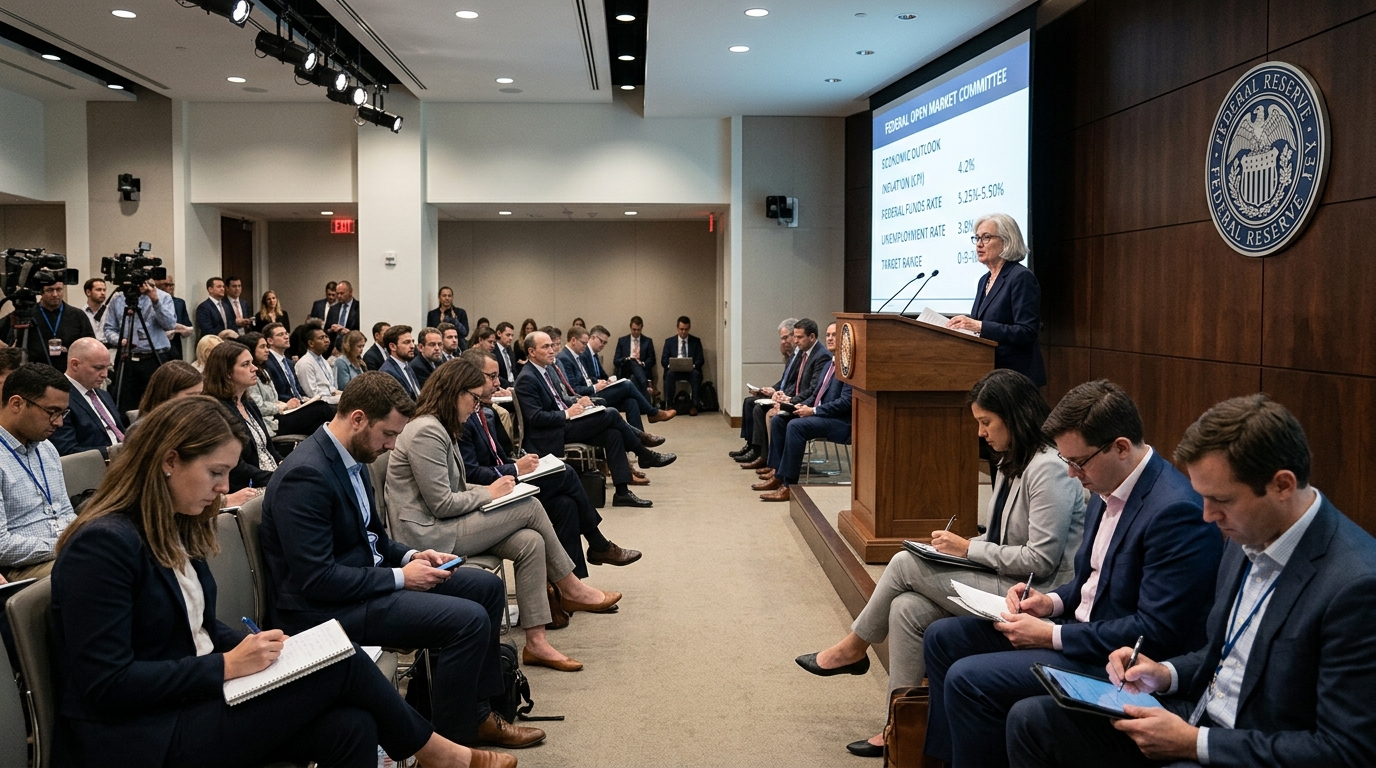
Global Markets Daily Brief — October 13, 2026
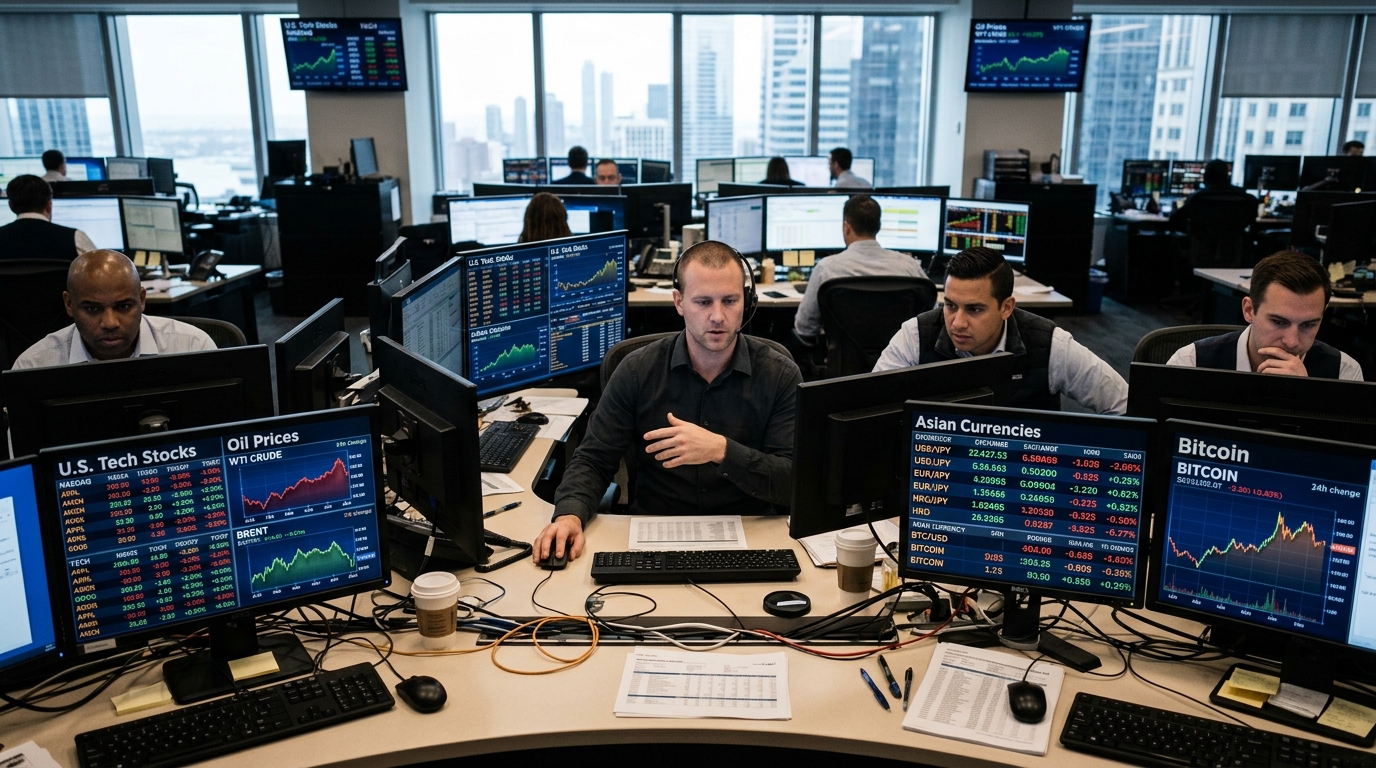
Global markets entered October 13 with investors balancing three themes visible across the day’s wire headlines: softer momentum in parts of the AI trade, fresh geopolitical risk in energy and aviation, and policy signals from Asia-Pacific central banks and governments.
In equities, the tone was mixed. MarketWatch reported that Nvidia and AMD shares fell as new AI announcements failed to re-energize investors, while the same outlet said Meta is back on the AI leaderboard with its new Wonder models. CNBC also reported that Meta debuted its Muse Wonder AI model as it tests users’ willingness to pay, reinforcing that the market is shifting from pure AI enthusiasm toward questions about monetization and returns.
That change in tone matters because, according to a CNBC report, earnings beats have become common enough that they are no longer sufficient on their own to keep the broader stock rally going. MarketWatch added another angle by saying investors are increasingly asking whether the bull market is getting old, even as historical patterns suggest long expansions can continue.
Stocks: AI enthusiasm meets higher expectations
The technology complex remained central to global risk appetite. Alongside the moves in Nvidia and AMD, MarketWatch reported that Microsoft hit a major milestone that underscores its longer-term revival. At the same time, the publication said optical-networking names including Ciena and Lumentum were among the market’s biggest losers, suggesting investors are becoming more selective across the AI supply chain rather than trading the entire theme as a single block.
There were also company-specific developments outside mega-cap tech. CNBC highlighted a massive trade in surging Snap shares, while MarketWatch said Brazilian stocks are breaking out as investors look beyond U.S. technology for opportunity.
Forex: Asia policy signals move into focus
In currencies, the most notable official signal came from Singapore. CNBC reported that Prime Minister Lawrence Wong rejected a weaker currency as a shortcut to competitiveness. That is a noteworthy policy message because it pushes back against the idea that exchange-rate depreciation should be used to support growth.
Elsewhere in the region, Investing.com reported that minutes from the Reserve Bank of Australia signaled the potential for further rate hikes as inflation risks intensify. The same outlet said Japan’s wholesale inflation remained elevated, keeping alive the view that the Bank of Japan may still have reason to tighten policy further. Together, those headlines point to a regional backdrop in which inflation and rate expectations continue to shape foreign-exchange markets.
Commodities: oil pulled between supply and security risks
Oil markets appeared torn between offsetting forces. Investing.com reported that crude ticked lower as prospects for Russian diesel supply countered Gulf supply risks. But geopolitical concern remained present. Cointelegraph said Bitcoin fell as strikes involving Ukraine and Iran sent oil toward a one-month high, indicating that energy prices still remain highly sensitive to conflict headlines.
There was also a direct spillover into transportation and aviation. CNBC reported that the FAA warned U.S. airlines of safety risks over Saudi Arabia after attacks, and that Delta delayed the debut of its Saudi Arabia service until March following the Riyadh airport attacks.
Crypto: risk assets stay sensitive to macro headlines
Digital assets were mixed but generally risk-aware. Cointelegraph reported that Bitcoin dropped 2.2% as geopolitical tension pushed oil higher, a reminder that crypto still trades partly as a broader risk asset during periods of market stress. Investing.com separately reported that Cardano fell 10% in a wider selloff.
At the same time, the crypto sector continued to produce structural developments. Cointelegraph reported that Aptos rolled out an encrypted mempool to reduce frontrunning and sandwich attacks, while the same outlet said Strategy added 250 Bitcoin, bringing holdings to 848,250 BTC.
What ties the session together
The common thread across asset classes was discrimination. Investors were not abandoning risk entirely, but they were demanding clearer evidence on earnings durability, AI monetization, policy credibility and geopolitical resilience. That helps explain why some major technology names weakened even as other innovation stories advanced, and why oil, currencies and crypto all remained tightly connected to policy and security developments.
Neutral outlook: Based on the day’s headlines, markets appear to be moving from broad thematic enthusiasm toward a more selective phase in which company execution, regional policy signals and geopolitical developments may carry greater weight.
MarketPro reports are AI-assisted analyses of publicly reported market news. Not investment advice.