Saudi attack fallout hits airlines as oil risks stay in play
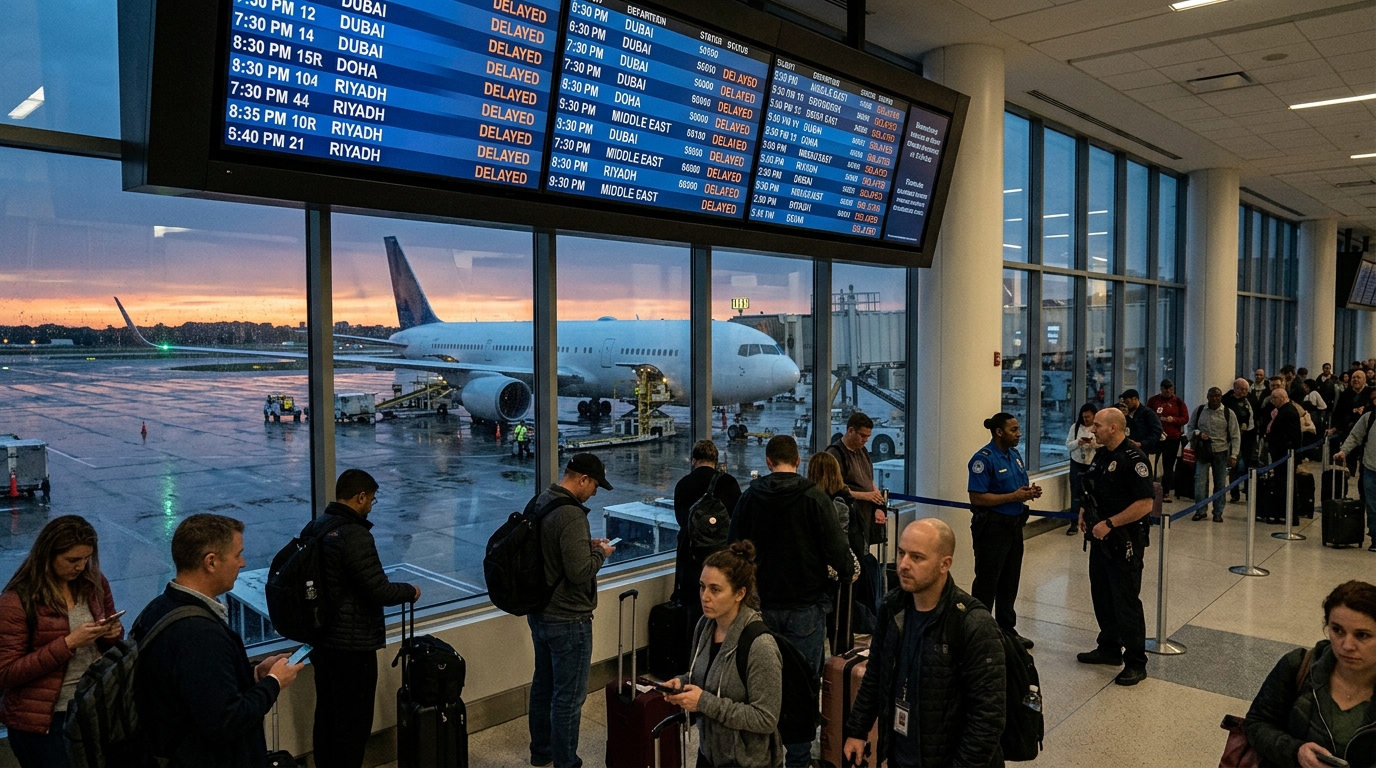
Fresh security concerns tied to Saudi Arabia created a new market link between energy risk and transportation, after U.S. aviation authorities warned airlines about safety issues and Delta Air Lines delayed the start of its planned Saudi service.
According to CNBC, the FAA warned U.S. airlines of safety risks over Saudi Arabia following attacks. In a separate report, CNBC said Delta delayed the debut of its Saudi Arabia service until March after attacks at Riyadh airport. Together, those developments point to a direct operational impact from geopolitical instability, not just a theoretical one for energy markets.
The story also intersects with oil. Investing.com reported that crude ticked lower as prospects for Russian diesel supply countered Gulf supply risks, showing that the commodity market is still weighing offsetting supply signals rather than moving on a single narrative. At the same time, Cointelegraph reported that Bitcoin fell as strikes involving Ukraine and Iran sent oil toward a one-month high, reinforcing that conflict headlines were already feeding through to broader market pricing.
From oil volatility to transport risk
Energy markets often react first to geopolitical shocks in the Gulf, but the latest headlines suggest a wider chain of effects. The FAA warning introduces a practical risk-management issue for carriers operating in or near affected airspace. Delta’s decision to delay its launch into Saudi Arabia shows those risks can alter commercial plans.
That matters for markets because investors often treat airline and energy stories separately. In this case, they are connected. Higher perceived security risk can affect routing, insurance, scheduling and demand assumptions, while energy prices influence fuel costs at the same time.
Why the diesel headline matters too
The oil side of the story was not one-directional. According to Investing.com, lower crude prices were supported by the prospect of additional Russian diesel supply, which helped offset concern around Gulf disruption. That balance is important. It suggests traders were not pricing in an outright supply shock severe enough to dominate all other factors.
Even so, the aviation headlines show that security developments do not need to trigger a dramatic oil spike to matter economically. Airline planning decisions can change quickly when safety agencies issue warnings, and those changes can reshape route economics and capacity expectations.
A broader risk signal for markets
The knock-on effects can extend beyond commodities and airlines. When geopolitical events lift uncertainty around energy transit or regional infrastructure, markets often reprice risk across equities, currencies and even crypto. The Cointelegraph report on Bitcoin’s decline alongside firmer oil is one sign that investors were already responding to a more defensive backdrop.
There is also a timing issue for investors and companies. Security warnings tend to matter immediately, while oil-supply adjustments can take longer to assess. That means transportation names may feel the impact of headline risk faster than crude benchmarks settle into a clear trend.
What the Delta delay signals
Delta’s delayed entry into Saudi Arabia is notable because route launches are usually planned far in advance and involve strategic commitments. A postponement after attacks at Riyadh airport indicates that carriers are willing to slow expansion when the operating environment changes.
Although today’s headlines do not provide broader industry responses, the combination of an FAA warning and one major airline’s delay is enough to put the sector on alert. Investors will likely watch whether the issue remains isolated to one route plan or becomes a wider operating concern.
Energy markets remain headline-sensitive
The day’s mixed oil signals underline a familiar pattern: supply fundamentals matter, but geopolitical headlines can quickly reshape sentiment. Russian diesel prospects may have offered near-term balance, yet Gulf security developments kept a risk premium in the conversation.
For now, the clearest takeaway is that the market impact is no longer confined to crude prices alone. Aviation, logistics and broader risk assets are also responding.
Neutral outlook: Based on the reports from CNBC, Investing.com and Cointelegraph, traders are likely to keep monitoring whether Gulf security concerns remain a localized aviation issue or develop into a wider and more durable energy-market risk.
MarketPro reports are AI-assisted analyses of publicly reported market news. Not investment advice.