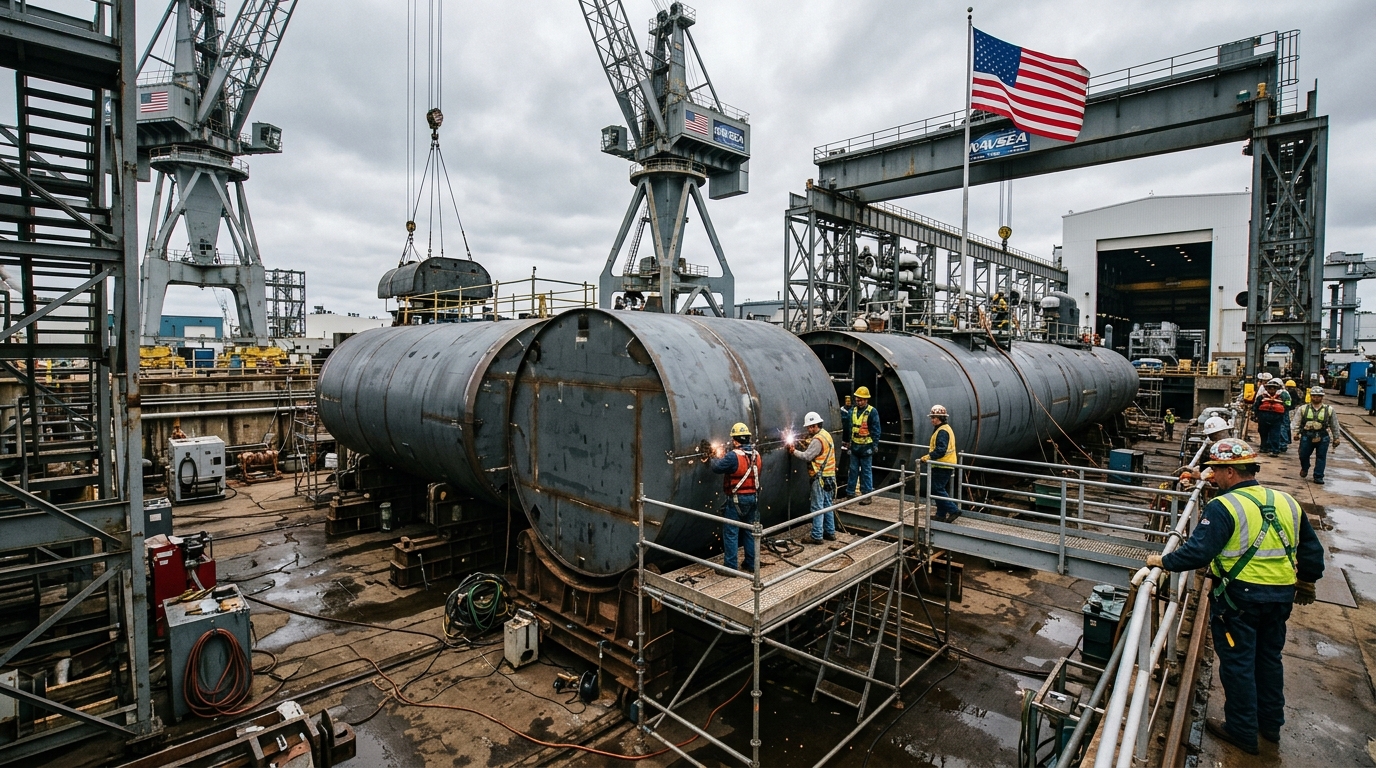
Google nuclear move sharpens AI energy market focus
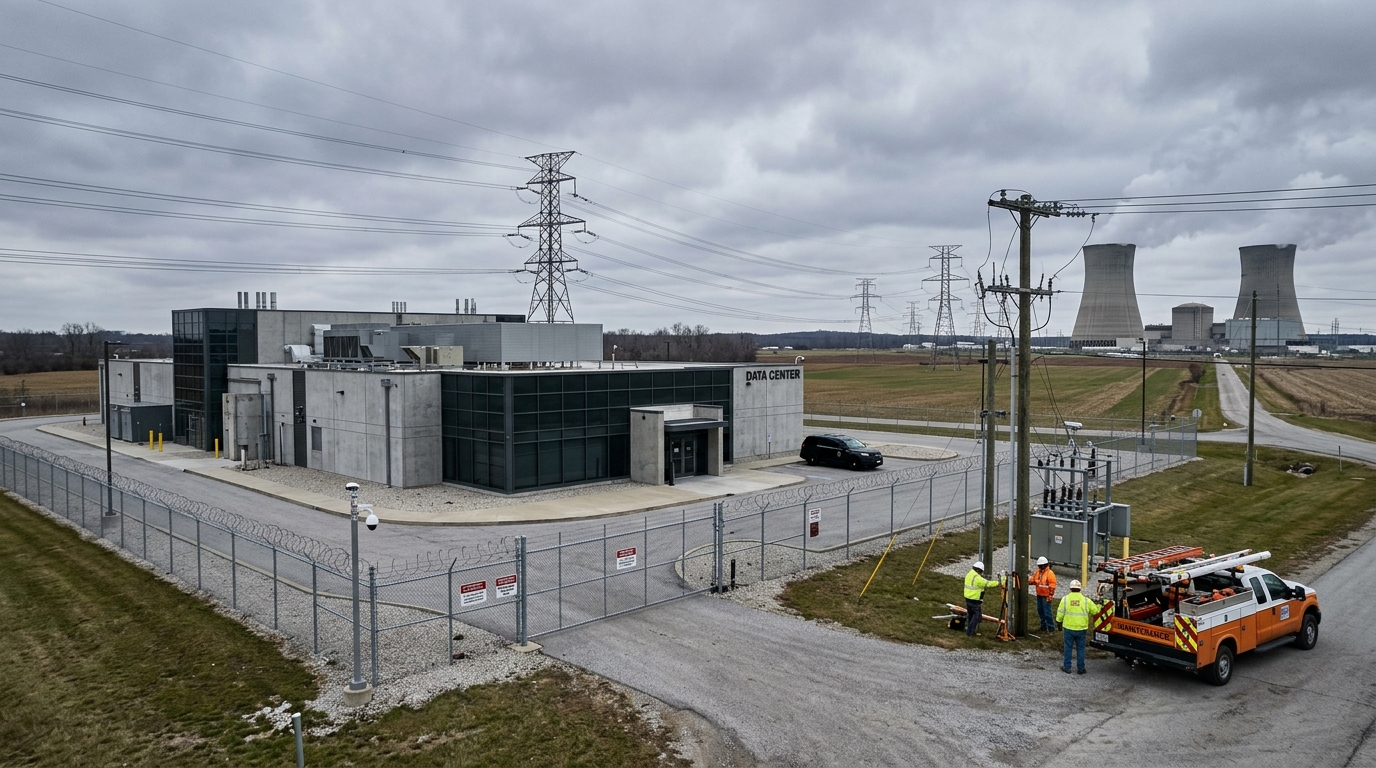
Google’s reported fresh bet on nuclear power adds a new dimension to one of the market’s biggest themes: artificial intelligence is becoming an energy and infrastructure story as much as a software story. According to a MarketWatch report, Google is making a renewed push into nuclear power as the AI energy crunch intensifies. Read alongside other AI-related headlines on the wire, the development offers investors a clearer view of where the next phase of AI competition may be heading.
The significance is not limited to one company. CNBC reported that Anthropic has expanded its Claude Startups program in a bid to attract founders and fast-growing companies. That headline speaks to software ecosystem expansion, while Google’s reported nuclear move points to a parallel reality: the AI race increasingly depends on stable, large-scale electricity supply.
Put simply, more AI services mean more computing demand, and more computing demand means more pressure on power systems, data-center buildouts and long-term energy procurement.
Why the market may care beyond Big Tech
Investors have spent much of the AI cycle focusing on semiconductors, cloud platforms and valuation multiples. But the latest headlines suggest a broader chain of beneficiaries and constraints. If large AI companies are securing power through unconventional or long-dated arrangements, that can reshape how markets think about utilities, grid investment, engineering capacity and energy permitting.
It also reinforces why AI spending debates remain unsettled. CNBC separately reported that “trillions are being wasted” on the AI boom, citing Arthur Hayes’ view on what may come next. Even without endorsing that opinion, the contrast is useful. One side of the market sees potential overinvestment; the other sees enough durable demand to justify deeper commitments to energy and infrastructure.
Those two views are not necessarily contradictory. In capital-intensive technology cycles, spending can look excessive in some areas while still creating real demand for physical assets in others. Google’s reported move is important because it pushes AI valuation discussion into the real economy, where timelines, regulation and power availability matter.
From chips to electrons
That shift may help explain why AI-related market leadership has broadened unevenly. The best-known winners of the theme have been chipmakers and cloud-linked firms, but not every adjacent company has benefited in the same way. MarketWatch also reported that Marvell impressed Wall Street with “good numbers plus a better story,” underscoring how investors are rewarding companies that can connect current results to a credible role in AI infrastructure.
In that sense, Google’s nuclear-power angle is notable because it extends the AI supply chain beyond servers and accelerators. The market now has to consider questions such as:
- Power certainty: Can major AI operators lock in reliable generation?
- Cost visibility: How much of AI economics will depend on long-term energy contracts?
- Buildout speed: Will permitting and transmission become bottlenecks?
- Capital intensity: Could infrastructure needs pressure margins or shift spending priorities?
These questions do not yet have complete answers in the headline set provided. But they do show why AI enthusiasm cannot be analyzed only through software adoption or cloud revenue expectations.
A broader read-through for markets
The timing also matters. U.S. equities are already near record levels, according to reports from CNBC and MarketWatch, with megacap leadership again in focus. In that environment, investors are likely to scrutinize whether the next stage of upside requires not just demand growth but successful execution on energy sourcing and infrastructure expansion.
For industrial, utility and energy-linked sectors, this may become a more investable narrative if further reporting confirms that major AI firms are pursuing similar strategies. For now, the Google headline stands out because it links one of the market’s most crowded themes to one of its least fully priced constraints.
What to watch next
Future market attention is likely to center on whether other hyperscalers or AI platform companies pursue comparable energy arrangements, and whether those plans translate into visible commitments across power, transmission and data-center construction. Investors may also watch whether AI-related commentary increasingly includes energy security alongside compute capacity.
The neutral outlook is that Google’s reported nuclear-power move strengthens the case that AI is evolving into a full-stack capital cycle, where electricity access may matter almost as much as algorithmic capability.
MarketPro reports are AI-assisted analyses of publicly reported market news. Not investment advice.